
Justice, Mercy, and Responsibility
Hallowe'en PartyThe novel contrasts protective compassion with accountability, asking whether good intentions or claims of madness can excuse the deliberate harm done to vulnerable people.
increasing Bearing strength in each event
 decreasing
Bearing strength in each eventdecreasingA Party Beyond Control
Safety and Responsibility
Orderly Arrangements
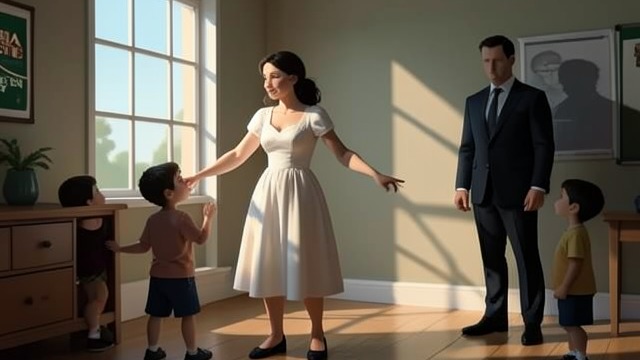
Rowena Drake organizes the children’s party with confidence, directing games, rooms, helpers, and equipment. The festivities appear to be under control, and the adults treat the event as a benign exercise in community supervision.
A Failure of Protection
Joyce Reynolds is nevertheless murdered during the party. The contrast between the carefully managed occasion and the hidden violence undermines the belief that competent organization can guarantee safety.
The party gives the novel its first moral question: responsibility begins not with a person’s public role or reputation, but with what happens to the vulnerable people entrusted to their care.
The Plea of Good Intentions
Mercy Withheld
A Concealed Observation
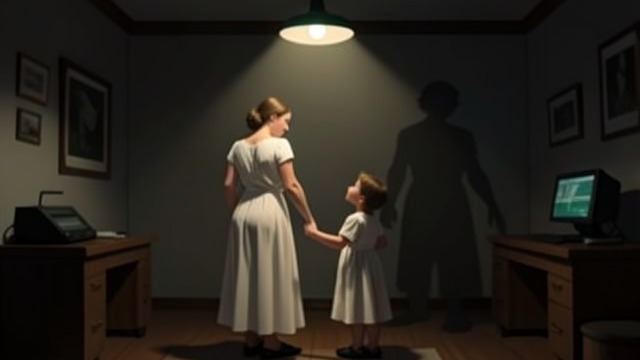
Rowena Drake admits that she saw Leopold Reynolds emerge from the library after Joyce had been killed. She withheld the fact because she thought he might have killed his sister, was too young to understand what he had done, and could be helped through treatment rather than punishment.
The Cost of Silence
After Leopold is found drowned, Drake realizes that her silence did not protect him or the community. Her concern for his youth and possible lack of responsibility had prevented investigators from learning that he might instead have seen the actual killer.
Her repeated insistence that she meant well becomes a measure of the gap between intention and consequence. Compassion that bypasses truth can leave a dangerous person free and another child exposed.
Poirot’s Measure of Justice

Accountability After Death
The Second Victim
After Leopold is found drowned, Hercule Poirot insists that the child’s death cannot be softened into an accident. He recognizes that Leopold sought money in exchange for silence and that this choice exposed him to the killer’s retaliation.
Justice Beyond Consolation
Poirot acknowledges that justice cannot help Leopold now, but argues that finding the killer might protect another child from the same danger. His position distinguishes compassion for the dead from the practical duty to prevent further harm.
The novel presents justice as more than retribution. It is a public obligation to name actions clearly, resist comforting excuses, and interrupt violence before it claims another victim.
Garfield’s Moral Evasion

The Language of Sacrifice
A Chosen Victim
Michael Garfield tells Miranda that one person may die so that beauty can live. His grand language transforms a planned murder into apparent ritual necessity, obscuring the simple fact that he has chosen another person’s life for his own ends.
The Evasion Exposed
Garfield’s aesthetic vocabulary does not remove responsibility. He has planned the circumstances, exploited Miranda’s guilt, and prepared a staged death that would help him escape accountability for the crimes behind it.
The episode challenges the seductive power of noble-sounding motives. Artistic ambition, ritual, and love of beauty cannot convert deliberate violence into something morally innocent.
Truth as Protection

The Duty to Speak
Testimony and Intervention
Nicholas Ransom and Desmond Holland interrupt Garfield’s attempted killing of Miranda. Her subsequent account gives the authorities the witness they need to connect the old murder to the present crimes.
Protection Through Truth
Earlier, children and adults had kept silent for different reasons: fear, confusion, self-protection, or misguided mercy. By the ending, truthful testimony becomes an act of protection, while concealment is shown to have allowed the violence to continue.
The novel’s ethical conclusion is not that every uncertainty should be met with punishment. It is that concern for a person’s vulnerability must not become a reason to hide facts, especially when silence leaves others at risk.
During preparations for the Halloween party
After Leopold’s death is reported to Rowena Drake
During the final consultation at The Elms
During Poirot’s confrontation with Garfield’s plan
After Miranda’s rescue and the crimes’ exposure
